
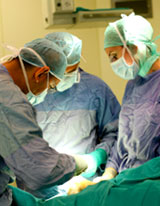
The Cancer Surgery Process
Surgery is the process usually considered first for treating a cancer, although it may not be the only one. But whether it is the only intervention used, or used in combination with another therapy option, surgery remains by far the most significant – and usually most expensive – treatment option in the management of cancer. The cancer surgery process inspires fear and anxiety for the patient, and for the surgeon the fear is usually that the outcomes cannot with any certainty be predicted.
First Steps in a Surgical Intervention
Before the actual surgery is done the extent and location of the disease has got to be determined. This usually involves pre-operation testing, which can range from minor tests like blood sampling to really major tests such as explorative surgery. Depending on the tests required this stage of the cancer surgery process could be expensive if not done on the NHS but it is necessary preparation to ensure a successful outcome of the surgery, or to determine if the surgery will be necessary at all.
During this process decisions will be made as to what the surgery should ultimately aim to achieve, and which of several surgery options will be used. It may be decided for example to remove just the cancerous growth. But if it is found that an organ is too far damaged for this to be effective then the decision would be taken to remove the entire organ.
Besides exploring the extent and location of the cancer some tests may be required at this stage to determine the overall state of health of the cancer patient. In some cases surgery could do more damage than it helps to solve. In some patients, especially the elderly, complications arising from the surgery could in fact shorten the patient’s life expectance more than the cancer itself!
After the Tests
When all necessary tests have been done to the satisfaction of the surgeons the next step is to schedule the surgery. Surgery is very expensive if not completed on the NHS and for those operations that have got to be done in an operating theatre the cost is heavily dependent on the complexity of the procedure as theatre time is billed in terms of 15-minute intervals. An operation that takes 2-3 hours is not at all uncommon and may usually be followed by a stint in post anaesthesia care, or, if the patient is unlucky, in the intensive care unit.
Surgery however is not done only to remove cancer tumours. Sometimes the surgery is done to relieve symptoms (a process called palliative treatment) or for “staging”, which implies determining the extent of growth of the cancer and how much it has spread to other parts of the body (metastasis). Sometimes the surgery may even be delayed while some other therapy option (such as chemotherapy or radiation therapy) is used to weaken the cancer, or shrink the cancerous growth.
The cancer surgery process is usually a long one, involving a lot of testing and information gathering to ensure a successful outcome. But even then the outcome is never a certainty. Some cancers respond well to surgery, for others surgery may have to be supplemented with other treatment therapies for the intervention to have a chance of success.