
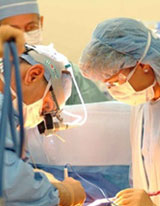
Stages of Cancer Surgery
Before a surgical operation to treat cancer is performed it is usually necessary to prepare for the operation. To begin with it will be required to determine the extent of the damage the cancer may have caused, what sort of intervention needs to be done to stop the cancer (or at least slow its progress), the cost versus benefit in case financial considerations are significant in the decision, and so on. At all these stages of cancer surgery preparation, it should be emphasised that you, the patient, occupies centre stage and you should use the opportunity to participate in the decision-making process.
Stages of Cancer Surgery – Information Gathering Stage
Information gathering implies what it says. In the case of your surgeon it means finding out what sort of cancer you have, the best treatment options available to treat the cancer, and the stage of the cancer. Most cancers develop in stages with stage 0 being the earliest stage of development and stage IV representing the most advanced stage of the cancer. The stage of development of the cancer corresponds to its severity and the stage of a cancer determines what treatment outcomes you can expect from surgery. Cancers that are caught early generally respond well to treatment and those at advanced stages usually do not.
At the information gathering stage before surgery your surgeon will usually require a set of tests aimed at determining the stage of the cancer in order to form a judgment about the treatment outcomes to expect from the surgical procedure. For the cancer patient this stage of the process involves getting to know the facts about the cancer, and getting mentally prepared to deal with the outcomes, both financial and emotional in the post-operation period.
Stages of Cancer Surgery - The Surgical Procedure Stage
When your surgeon has gathered enough information as stated in the previous stages of cancer surgery, and determined the extent and stage of development of the cancer, the next step is then set for the surgery. This means scheduling the date for the surgical procedure, enlisting the services of other professional for the surgical procedure, etc. At this stage of the cancer surgery process you will usually be required to sign what is called the “informed consent” document (which is a legal requirement that removes the blame from the doctor or hospital in case anything goes wrong during, or after, surgery).
Stages of Cancer Surgery - The Recovery Stage
In some cancer cases the post-operation stage is usually the most crucial one and involves the need to adapt to a life that has been permanently altered in such a way that the patient’s quality of life, their self-esteem and will to live, or in some cases, basic functionality in some part of the body, suffers a severe blow. How one adapts to these changes will of course depend on their personality, the sort of preparation they got prior to the surgery, and many other factors. The outcomes of cancer surgery are not always predictable. Your surgeon and any other professionals involved in the case will usually try to do the right thing to cure your cancer, but a lot can still go wrong and you need to be emotionally prepared for the outcomes you eventually get.